
01 · Prepare
Select & Plan Your Display
Decide on the glass or acrylic location—such as a window, kiosk, or table—then choose the right TouchFoil size and model for the interaction and environment.
Transform any glass in Seattle, WA into an interactive digital experience with transparent touch foil technology.
Seattle’s vibrant mix of retail, technology, and public spaces sets a high bar for customer engagement, interactive exhibits, and digital innovation. ProFoil touch foil from TouchFoil enables you to convert storefront windows, kiosks, glass walls, and tables into dynamic, multi-touch screens—without visible wires or intrusive hardware. By mounting the transparent foil on the inside of glass or acrylic, businesses and institutions in Seattle can create hands-on experiences that connect with locals and visitors alike, rain or shine.
From bustling downtown storefronts to museums along the waterfront and lobbies overlooking the Puget Sound, interactive glass displays powered by touch foil are changing the way Seattleites interact with information, services, and brands. Perfect for retail designers, exhibit builders, hospitality spaces, and more, ProFoil adapts to Seattle’s urban character and unpredictable climate while maintaining the clean aesthetics expected in modern Northwest architecture.
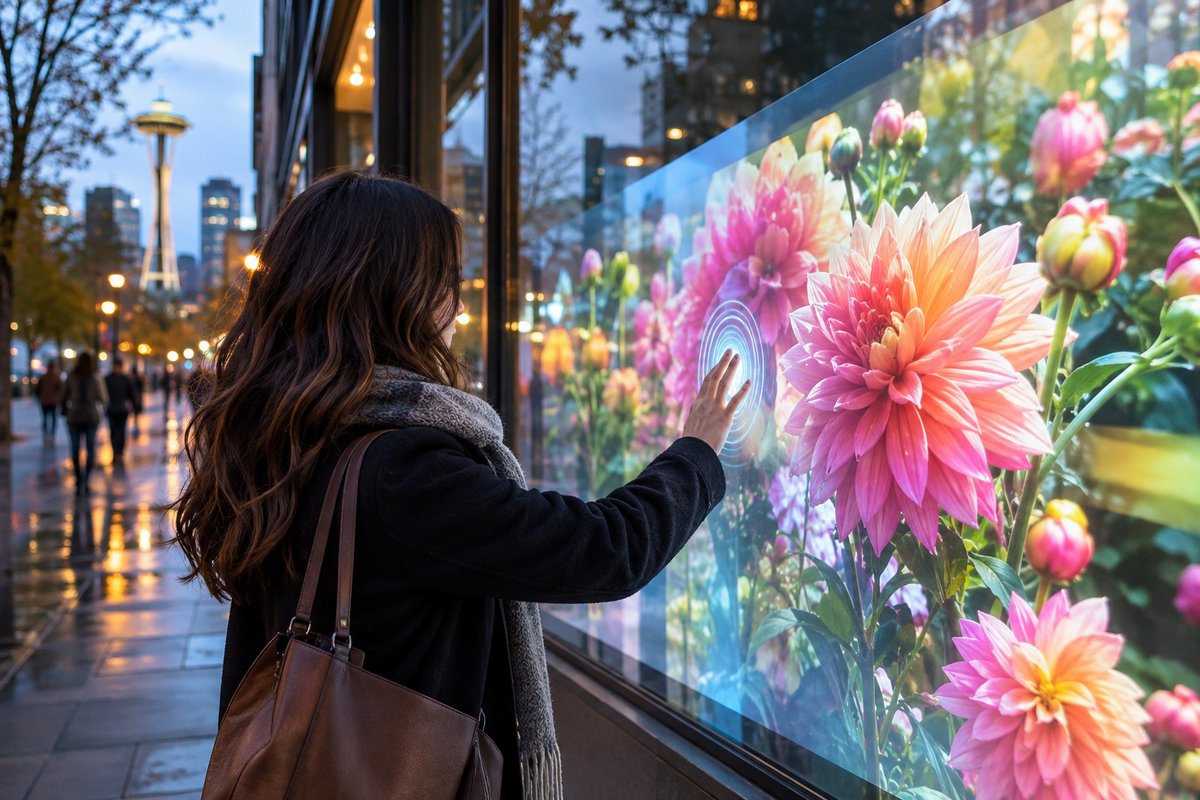
Decide on the glass or acrylic location—such as a window, kiosk, or table—then choose the right TouchFoil size and model for the interaction and environment.
Wet-apply the foil’s marked active area to the inside of clean, metal-free glass, squeezing out water and air bubbles. Allow 24–48 hours for drying before use.
Attach the USB-powered controller to the frame, ground it, and pair with either a rear-projection setup or an LCD/LED display behind the glass. Calibrate, then launch your interactive content.
Create engaging, touch-enabled windows in busy retail corridors like downtown Seattle, encouraging passersby to explore products and promotions through the glass—even outside business hours.
Install touch foil behind public-facing glass in museums, hotels, university buildings, or visitor centers to offer self-service info, wayfinding, or interactive learning with a modern, minimal look.
Bring interactive tables, kiosks, or pop-up exhibits to events and conferences at Seattle’s many venues. Object Recognition and Circular models enable creative, collaborative experiences.
Review available sizes and specs ranging up to 1.4 x 4.5 meters. Choose based on your glass dimensions and desired touch points—Seattle storefronts often benefit from larger foils for full-window interaction.
Compare ProFoil Standard, Pro Touch 20/40, Object Recognition, Clear, and Circular for your space. Object Recognition and Circular are excellent for collaborative installations in public Seattle venues and interactive tables.
Understand the required glass properties, power considerations, and installation steps. Plan ahead for Seattle’s rapidly changing weather and high-traffic areas, ensuring a suitable location for indoor-mounted electronics.
Every project is unique—submit your details to receive a custom quote tailored to your Seattle site and glass application. All foils are quoted individually for size, features, and integration.
Check this City of Seattle resource to research any required building or signage permits before modifying commercial glass or introducing digital installations.
Explore tourism and visitor trends to tailor your interactive displays for popular seasons and destination areas.
Access industry insights and planning context, helpful when designing touch-enabled exhibits or displays for high-traffic visitor environments.
Touch foil installations match Seattle’s urban, tech-forward image while blending into a wide variety of settings. Whether on a historic Pioneer Square window or a new South Lake Union address, foils provide interactive capability without distracting from architecture or passersby. The touch foil is fully transparent, with no wires visible on ProFoil Clear, maintaining clean lines desired by both city planners and brand designers.
For storefronts in high-traffic retail zones or within mixed-use developments, touch foil lets you keep windows clear and inviting while offering touch-based digital interaction—ideal for times when outdoor climate, local events, or construction might limit direct access.
Museums and visitor centers along the waterfront or near Seattle’s parks can leverage touch tables or info walls to display tours, maps, or learning resources that guests can interact with through the glass, protected from the Pacific Northwest weather.
Hotels, corporate lobbies, and real-estate offices use ProFoil to welcome guests or provide digital directories without adding external screens or kiosks. By mounting everything behind the glass, the hardware and display remain protected from heavy foot traffic and changing outdoor conditions.
Seattle’s commercial and public spaces often have strict requirements for signage, interactive displays, and illuminated installations, particularly in heritage districts. Review your project’s location using the official building permit data and consult with the city’s planning office to determine if special permits or reviews are required. In some neighborhoods, interactive or illuminated windows may need explicit approval.
Electrical safety is also a consideration in Seattle’s climate, where humidity and frequent rain challenge hardware longevity. Touch foil controllers require a reliably grounded power source, installation away from power cables, and a dry indoor mounting site for safe operation. Always fix and ground the controller to the glass frame and route USB cables away from power lines to avoid interference.
Choosing the right glass is essential. ProFoil touch foil performs best with glass that contains no metal. Thinner panes yield greater touch sensitivity, but all glass-types must keep any embedded metal or metal framing at least 3 mm from the foil area. For double-glazing, Pro Touch models handle up to 12 mm laminated glass as long as there is no air gap.
Seattle’s rapidly changing weather means choosing locations where inside-mount installation is possible and safe, and where content remains visible throughout cloudy, sunny, and rainy days. Plan your interactive content for high foot traffic hours to maximize engagement.
A common error is installing touch foil on glass that contains metal (including some security films or tints) or placing metal framing too close to the active area, which can reduce touch accuracy or prevent operation. Always confirm glass composition before committing to final installation.
Another issue arises when attempting to move or reuse a foil after application. ProFoil touch foils are designed for a one-time, wet-applied process and cannot be reused or repositioned. Complete all pre-testing—including system calibration, alignment with the screen or projection area, and display connectivity—before the adhesive dries.
Not planning for grounded power or incorrect USB cable routing can cause electrical interference, degrading touch performance or causing intermittent failures. Make sure power sources are properly grounded and that USB cables avoid running alongside power or display cables.
Interactive content that’s too small, crowded, or designed for close-up use may not work well on large storefront windows or through thick glass often found in Seattle’s commercial buildings. Design for larger touch icons and optimal visibility under various lighting conditions.
Touch foil should only be installed on glass or acrylic that contains no metal, and is best on thinner panes. Confirm local building or sign requirements using Seattle’s official data resource before you start. Foils are always mounted on the inside of the glass and must be a one-time install—removal or repositioning is not supported.
You can build interactive storefront windows, touch tables, digital information walls, or pop-up exhibit kiosks using touch foil. The technology works with either a rear-projection film and projector or an LCD/LED display, offering flexibility for Seattle’s retail, museum, and hospitality spaces.
Touch foil is a highly transparent film with a fine grid of sensing wires. On the ProFoil Clear model, these wires are not visible by eye. Light transmission is at least 89 percent (85 percent for the Clear version), allowing Seattle’s daylight and nighttime city lights to shine through.
Since the foil is installed on the inside of the glass and the controller is also mounted indoors, Seattle’s wet climate is not an issue for the electronics. Ensure displays and power sources are protected inside, and always mount only on the interior face of the glass.
Seattle requires permits or approvals for certain types of storefront signage, illuminated features, or technology displays. Use the city’s online permit database as a first step, then check with your local office for project-specific requirements, especially in historic or high-traffic commercial districts.
All ProFoil touch foils include a 3 year warranty on the foil and 1 year warranty on the controller. They are CE and RoHS compliant, suitable for public and commercial spaces in Seattle and throughout Washington. For ongoing technical questions, refer to the main TouchFoil and SSI Displays resources.