
01 · Plan
Identify Location & Glass Type
Begin by reviewing where and how you want to add touch—storefront window, kiosk, display wall, or table—and confirm your glass or acrylic is suitable (no metal, non-coated, not too thick).
Add interactive, multi-touch experiences to glass in Raleigh, NC with TouchFoil’s creative touch foil technology.
Raleigh is seeing a leap in engagement and visual impact as storefront designers, museums, hotels, schools, and corporate offices explore new ways to connect through their glass. TouchFoil offers a seamless solution—multi-touch, transparent foils that turn any interior glass surface into an interactive experience without altering building exteriors.
From the busy retail corridors of Glenwood South to campus visitor centers and museum atriums, TouchFoil’s ProFoil line transforms windows, kiosks, touch tables, and lobby glass into vibrant displays while protecting the integrity of your glass and decor. With flexible integration behind glass or acrylic and support for both displays and projection, every installation is custom-quoted for the demands of your Raleigh project.
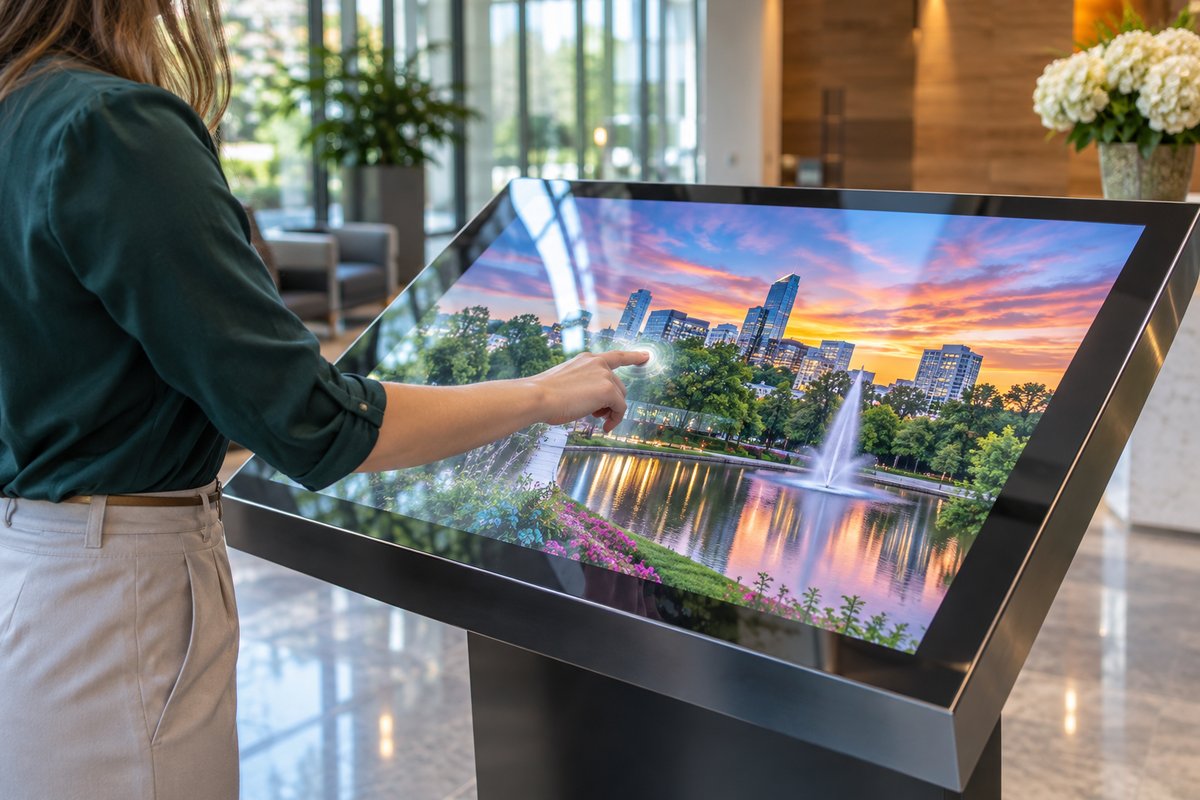
Begin by reviewing where and how you want to add touch—storefront window, kiosk, display wall, or table—and confirm your glass or acrylic is suitable (no metal, non-coated, not too thick).
Choose your TouchFoil model and size based on touch points, glass thickness, transparency, and the display or projector setup you’ll be using behind the glass.
Use the online quote form to describe your site, glass specs, and objectives. Every Raleigh project gets a tailored quote to meet local needs and code.
Retailers on Fayetteville Street or in North Hills can attract attention with touch-activated window displays, blending digital content with enticing shopfronts—all while keeping the glass secure from the inside.
Museums, visitor centers, and university spaces add touch navigation or educational content to exhibit glass, making learning hands-on—without visible changes to the venue’s original surfaces.
Hotels, event venues, and real estate showrooms use TouchFoil on glass in high-traffic lobbies or on meeting room touch tables, bringing Raleigh’s energy indoors with interactive wayfinding or showcase content.
Perfect for precise planning in Raleigh’s varied spaces, check sizes and detailed specs to fit your glass—ensuring right fit for homes, retail, or public venues year-round.
Explore all available ProFoil models to tailor touch response, transparency, and glass compatibility to your specific Raleigh application—whether for storefronts or interactive tables.
Get full understanding and installation guidance for Raleigh’s seasonal climate. Learn about mounting on the inside of glass, display options, and local glass types.
Start your Raleigh project by requesting a quote—including glass specs, use case, and display details for a fully customized solution.
Check local permit requirements when planning interactive glass storefronts, signage, or lighting facing Raleigh public areas.
Align your interactive display content with Raleigh’s tourism campaigns and events to engage both locals and visitors.
Raleigh’s weather ranges from humid summers to mild, sometimes damp winters—making it essential to select solutions designed for interior mounting where exposure to elements is controlled. Touch Foil is engineered to perform reliably behind windows, kiosks, and protected displays, unaffected by outside climate when shielded inside typical Carolina construction.
For retail, hospitality, or campuses, this means project planners can confidently activate seasonal promotions, museum navigation, or wayfinding touch tables year-round. The foil’s light transmission (89% or more) ensures clarity in all lighting, and the quick response time allows for smooth interactive experiences even during peak event hours.
Homes and offices with contemporary glass features or security vestibules also benefit from touch foil technology—not only for engagement, but as a non-intrusive way to add smart control panels discreetly behind glass.
When integrating interactive display glass in Raleigh’s downtown or suburban neighborhoods, consult with building management to confirm HVAC or condensation won’t impact electronics positioned behind glass. Raleigh’s cultural events and tourism cycles make flexible, re-usable digital real estate on glass a valued asset year-round.
Before installation, confirm that your project’s indoor glass is free of embedded metals or coatings. Thinner glass yields the most accurate touch response, but the selected Touch Foil model will specify supported thickness and whether glass is laminated. Always use grounded power, fix the controller securely and route USB cables away from AC or display wiring to minimize interference and static—a common requirement in high-traffic and historic Raleigh sites.
Raleigh municipal codes may affect any permanent modifications to storefronts, especially where signage, interactive lighting, or displays are visible from public sidewalks. For private-use of public space, from awnings to digital signage, project planners should consult the City of Raleigh’s guidelines before proceeding.
Accessibility remains central for storefront buildouts in Raleigh’s mixed-use downtown, so ensure installation heights, interactive regions, and content comply with ADA requirements and local business codes. Planning with future events in mind means your display can evolve with seasonal promotions or visitor campaigns.
Coordination with local contractors or facility maintenance is key for equipment reliability—plan access for controller power, allow LED displays or projection gear to be serviced, and always validate site plans before ordering custom-quoted foils.
Avoid using glass with metallic films, embedded wires, or coatings—even seemingly clear architectural glass sometimes features thin metallic solar or security films that will interfere with touch sensing. Measure glass thickness at all edges and before ordering; double-paned or laminated glass must have no air gap for certain models.
Ensure the marked active area of the foil aligns exactly with your entire display or projection area. Touch foil is a permanent, one-time install—always test fit, line up corners, and allow 24 to 48 hours for water to evaporate after mounting. Large expansions in temperature and humidity, common in Raleigh seasonally, make careful bubble removal and drying especially important.
Failures often occur when USB or controller cables are routed near AC or display power lines, leading to random touches or reduced accuracy. In busy retail or museum settings, securing and grounding the controller frame improves performance.
If your project is open to the public or faces a street in Raleigh, permit requirements or ADA guidelines may apply even if the foil itself is invisible—always check local regulations, and plan content that welcomes both residents and visitors.
Touch Foil is designed for use on clean, non-metallic, non-coated interior glass or acrylic panels. Some commercial or historic buildings in Raleigh use glass with metallic solar or safety films that can disrupt touch performance. Always verify glass type before planning your installation.
TouchFoil is a transparent film with a fine grid of sensing wires; the ProFoil Clear model has no visible wires at all. When properly installed on the inside of glass or acrylic, Touch Foil is nearly undetectable by passersby, helping maintain the architectural look of your Raleigh venue.
Each foil includes a controller board and a USB cable for plug-and-play connectivity. Power is supplied over USB (5V), and the foil integrates with your media player, PC, or digital signage system behind the glass. Always route USB away from AC power or display cables to reduce interference.
Any display or signage visible from public walkways may require permitting under Raleigh’s Private Use of Public Spaces guidelines, especially in business districts or historic zones. Check with the City of Raleigh for requirements based on glass facing, lighting, and display type before committing to a project.
Touch Foil is designed as a permanent, one-time installation. Once mounted and dried on the glass, it cannot be removed or repositioned without damage. Carefully plan your Raleigh site and test fit before final installation.
Touch Foil models include a 3 year warranty on the foil and 1 year on the controller. Each model is CE and RoHS compliant, meeting high safety and environmental standards for use in public-facing Raleigh venues.