Indiana · for storefronts, venues, schools

Transform Storefronts With Touch Foil in Indianapolis, IN

Bring interactive technology to your Indianapolis glass windows and displays—without changing your existing glass.

Indianapolis offers a vibrant mix of retail, tourism, and public venues, making it an ideal location for interactive glass displays. TouchFoil makes it easy to upgrade any storefront, visitor center, or event space by adding multi-touch interaction directly through windows, glass walls, or acrylic panels. Whether you’re along bustling Mass Ave, near Monument Circle, or operating in one of the city’s thriving neighborhoods, you can turn plain glass into an attention-grabbing digital touch point without remodeling.

Our ProFoil touch foil solution mounts on the inside of your existing glass, remaining completely invisible until activated by touch. This flexible technology allows you to engage visitors in every season—bright enough for summer festivals and reliable through Indiana’s winter months. TouchFoil is especially suited to museums, retail shops, hotels, educational campuses, and real-estate offices looking to modernize with an interactive twist—while meeting local regulations and keeping visibility high.

Interactive WindowsRetail TechnologyIndianapolis Venues

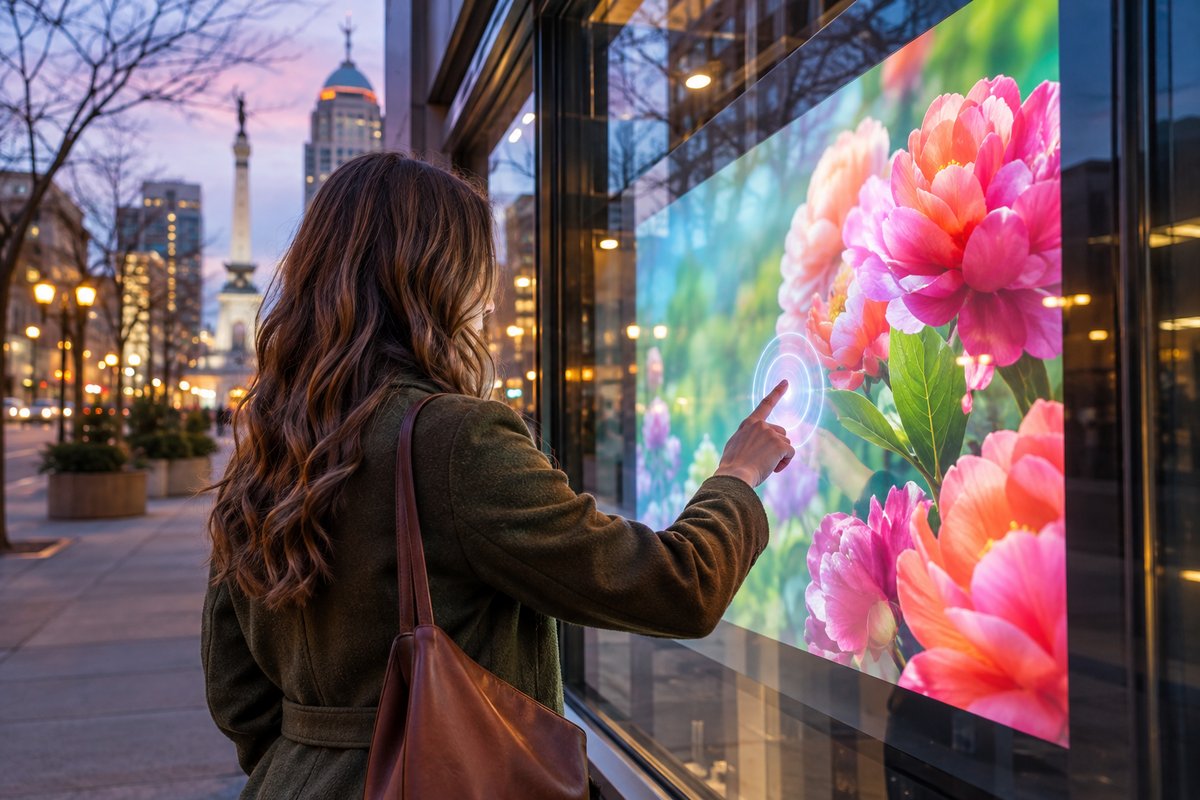
Interactive touch foil on a glass storefront window in Indianapolis at dusk
Illustrative AI concept image, not a documented installation.
Plan your touch glass

How It Works: Installing Touch Foil on Glass in Indianapolis

01 · Choose Size

Pick Your Interactive Area

Select the right ProFoil model and custom size for your glass, table, or kiosk based on your design and location needs. Larger windows or custom shapes in Indianapolis venues may require consultation for the best fit.

02 · Mount Foil

Apply to Inside of Glass

The touch foil is wet-applied to clean, non-metallic glass from the inside, allowing it to sense touches through the glass. Careful alignment ensures a seamless and responsive interactive surface.

03 · Connect & Test

Complete the Touch System

Connect the controller using the USB cable, mount your display or projector behind the touch area, and test sensitivity and alignment before final drying. Make sure your setup is grounded and follows local safety codes.

Where it works

Where Indianapolis Chooses Interactive Glass Touch Foil

Retail

Interactive Storefront Windows

Let window shoppers interact with your digital displays to browse products or sales, all through your main street glass. TouchFoil works for everything from local boutiques to flagship stores near the Circle.

Museums

Digital Exhibits in Public Spaces

Museums and institutions across Indianapolis can create touch displays for visitor guides, exhibit info, or interactive art by retrofitting existing glass walls or cases with touch foil.

Venues

Touch Tables and Kiosks

Transform check-in counters, hotel lobbies, and event spaces with interactive wayfinding or info kiosks beneath acrylic or glass surfaces. Perfect for conventions, tourism centers, or universities.

Featured touch foils

Explore Touch Foil Models for Indianapolis Glass

Model Overview

Touch Foil Sizes and Specifications

Check this guide for detailed size ranges, glass compatibility, and technical details. For Indianapolis venues and fluctuating weather, selecting the right thickness and light transmission performance is key.

See Touch Foil Sizes and Specifications

Product Details

Touch Foil Models

Compare ProFoil Standard, Pro Touch 20/40, Object Recognition, Clear, and Circular foils to find what suits your touch application and glass type. Choose object recognition for interactive learning or event tables.

See Touch Foil Models

How-To Guide

How Touch Foil Works and How to Install It

This resource walks through application, electrical requirements, and testing. For Indianapolis, follow instructions on grounding and separating cables in historic or mixed-use buildings.

See How Touch Foil Works and How to Install It

Contact & Quotes

Get a Touch Foil Quote

Every project is custom-quoted to match your glass size and venue type. Request a quote for accurate pricing and tailored recommendations for Indianapolis locations.

See Get a Touch Foil Quote

Local planning resources

Indianapolis Resources for Touch Foil Projects

Permits & planning

Department of Business and Neighborhood Services

Contact for signage, electrical, or structural installation permits needed for interactive storefront or projection display setups.

Visit indy.gov

Tourism

Visit Indy

Explore visitor traffic and event calendars to plan for high-visibility touch displays in public-facing locations.

Visit visitindy.com

Tourism

Visit Indiana

Use state tourism resources to align your interactive displays with major festivals and seasonal campaigns.

Visit visitindiana.in.gov

Links are to official or established local sources and were checked when this page was drafted. Confirm current rules with each office before installing.
Before you order

Indianapolis Touch Foil Project Checklist

  1. Verify Glass Type. Ensure your glass has no embedded metal, and note that thinner glass improves touch accuracy for high-traffic downtown locations.
  2. Plan for Power. Confirm access to grounded power and USB near your glass to avoid interference from dense wiring often found in older Indianapolis buildings.
  3. Check Local Codes. Consult Indianapolis permitting offices for signage, electrical, or digital display approvals before installation.
  4. Test Before Permanently Installing. Temporarily align and test your foil over the intended glass to verify coverage, touch response, and system detection before final mounting.
  5. Schedule Around Events. Coordinate your project timing with seasonal traffic (such as conventions or sports events) to maximize impact once your display is live.
TouchFoil must only be mounted on the inside of glass, never outdoors or on metal surfaces.
Seasonal Uses

Interactive Storefronts and Kiosks for Every Indianapolis Season

Indianapolis has a diverse climate, with humid summers and cold winters that influence how public spaces and retail are used. TouchFoil’s transparent, glass-mounted solution keeps interactive displays protected behind your storefront window or venue glass, making them accessible even during rain, snow, or peak sunny days without exposure.

Downtown shops and cultural institutions can use TouchFoil to showcase window displays that react to touch, providing engaging content regardless of weather. During summer, when festival foot traffic peaks on Mass Ave and local attractions are busy, interactive windows can attract passersby even after sunset. In colder months, the foil continues to sense through gloves or direct contact, making it suitable for holiday events and high-winter traffic.

Tourism centers can use touch-enabled glass to promote local experiences, while museums and local universities provide wayfinding and info via touch tables or kiosk screens. No matter what season, visibility and utility are maintained with TouchFoil’s high light transmission and robust sensor technology.

Whether your venue hosts conventions, art fairs, or daily city traffic, planning your installation seasonally can help maximize touch display visibility and effectiveness, creating memorable interactive moments.

Power & Permits

Planning for Permits, Electrical, and Safe Interactive Installations

Adding interactive glass requires careful attention to local codes in Indianapolis, especially where displays or electronic equipment are involved. All touch foil projects should be reviewed with the Department of Business and Neighborhood Services to check requirements for electrical and digital signage permits. Each location, especially those in historic or mixed-use districts, may have unique structural or sign restrictions.

Power planning is essential—every TouchFoil system is powered by 5V over USB, but proper grounding is necessary to reduce interference, especially where old or retrofit wiring is present. Run USB cables separately from power lines or display connectors and ground the controller to the window or kiosk frame for optimal performance.

Always use clean, non-metallic glass for application. Touch accuracy is improved on thinner panes and where metal is at least 3 mm from all foil edges. Confirm these specifications with your installer or through a preliminary check.

Finally, touch foils are a permanent one-time installation—removal will damage the foil. Always perform system tests and alignment before final application and drying. For any local code or permit clarifications, contact the appropriate Indianapolis office.

Avoiding Mistakes

Common Touch Foil Pitfalls and How to Avoid Them in Indianapolis

A successful interactive glass installation starts with glass selection. Avoid any glass with embedded metal, as this can interfere with touch sensing. Laminated or double glazing is allowed, but must be free from air gaps and meet thickness limits noted for each TouchFoil model.

Incorrect alignment or installation can lead to lost touch zones or visible seams. Take time to mark and line up the foil’s active area precisely with your projected or displayed content, squeezing out all water and bubble traces for consistent accuracy across every point.

Pay close attention to your building’s wiring. Unshielded power cables or lack of proper grounding can produce noisy touch signals or even break touch detection. Separate all signal cables and check that your power source is correctly grounded before completing the installation.

Lastly, check local regulations for any specific restrictions on digital displays visible from the street, especially in visually sensitive areas or near protected landmarks. Good communication with Indianapolis permitting teams avoids unnecessary project delays.

Common questions

Frequently Asked Questions for Indianapolis Touch Foil Users

Can TouchFoil be used on any storefront or window in Indianapolis?

TouchFoil works on most non-metallic glass or acrylic panels, but it’s important to check for any embedded metal or coatings. In Indianapolis, where building materials vary by age and neighborhood, confirm compatibility before ordering. The foil must always be mounted on the inside surface for protection and compliance. If your store is in a historic area, consult local regulations before modifying exterior glass.

Is TouchFoil suitable for outdoor or street-facing windows?

TouchFoil is always mounted inside and works well for glass that faces the street, as long as the installation is protected from weather and public access. For Indianapolis’s climate, this protects the touch system year-round, but the foil itself should not be mounted outdoors or directly exposed to weather or vandalism.

How do I choose the right TouchFoil model for my display?

Choosing the right model depends on your glass size, thickness, and use case. ProFoil Standard is great for typical storefronts, while Pro Touch 20/40 fits larger windows or interactive tables. Object Recognition models are beneficial for educational or event spaces. Use our size and model guides to match your project or contact us for help with custom requirements.

What is the warranty coverage for TouchFoil?

Every ProFoil touch foil comes with a 3-year warranty on the foil and a 1-year warranty on the controller. This warranty covers manufacturing or operational defects but does not apply if the foil is removed and re-installed. All foils are CE and RoHS compliant for quality assurance.

Can I install TouchFoil myself, or do I need a professional?

TouchFoil is designed for straightforward, wet-application mounting but requires careful alignment and clean glass. While technically possible to install yourself, we recommend testing thoroughly before final mounting, and reviewing all instructions and local requirements. Consult a local integrator for complex setups or if you’re unfamiliar with electrical hookups and building codes.

Are any local permits needed for touch foil or digital displays in Indianapolis?

Permit needs depend on the scope and visibility of your installation. Digital and interactive displays visible to the public, or those requiring power connections, may require city permits—especially if modifications to storefronts or electrical systems are involved. Consult the Department of Business and Neighborhood Services for guidance before finalizing your project plan.