Miami · interactive storefronts and digital displays

Touch Foil Interactive Glass Solutions for Miami, FL

Upgrade your Miami, FL storefront or venue with touch foil—create interactive windows, kiosks, and tables that invite engagement through glass.

In the vibrant Miami market, where retail, hospitality, and tourism thrive year-round, transforming a glass storefront or venue window into an interactive canvas sets your business apart. Touch foil is an advanced transparent film that mounts discreetly on the inside of glass or acrylic, sensing touches and gestures through the pane to deliver a seamless digital experience that draws visitors and drives interaction.

Whether you manage a retail store in South Beach, design a hospitality lobby in Brickell, curate an educational exhibit, or deploy technology for corporate or real-estate environments, touch foil offers Miami’s organizations flexibility and impact. With multi-touch capability, high clarity, and models adapted for everything from simple kiosks to large-scale interactive walls and tables, TouchFoil from SSI supplies plug-and-play performance that welcomes Miami’s diverse audience—rain or shine.

touch foilinteractive glassMiami FL

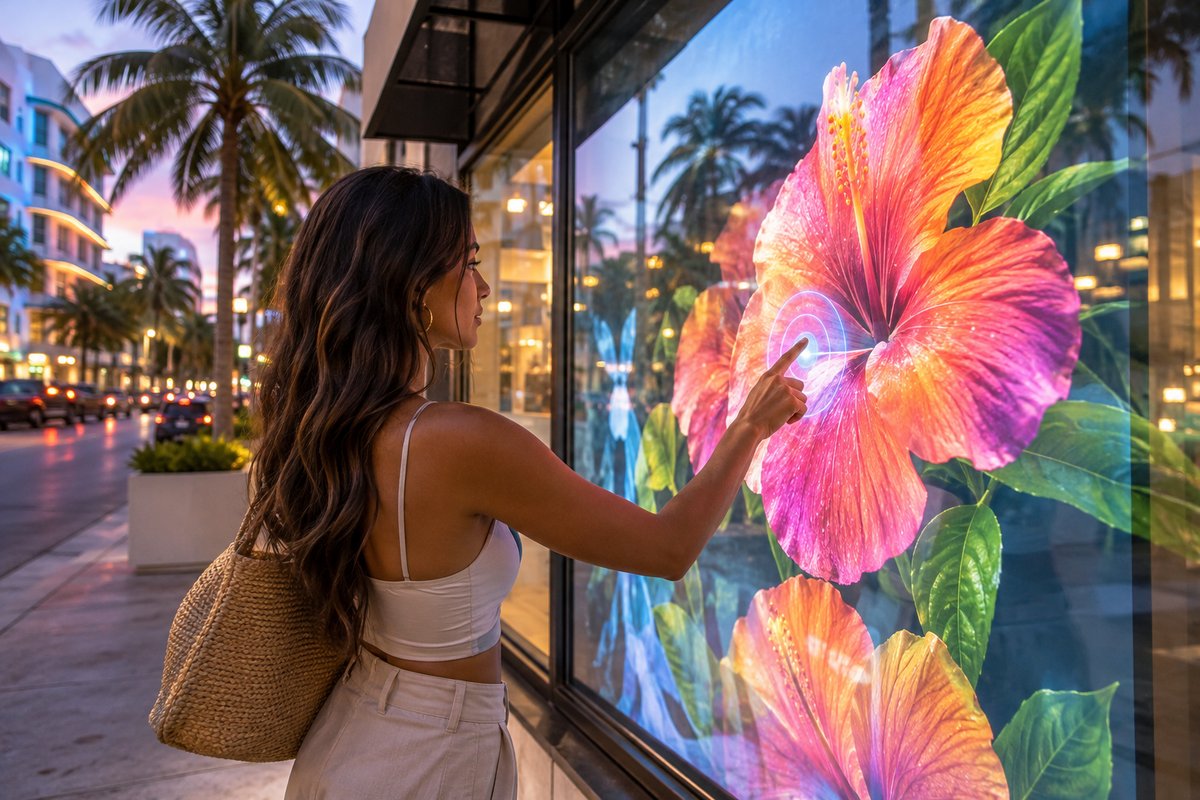
Interactive touch screen glass window in a Miami FL retail storefront at dusk
Illustrative AI concept image, not a documented installation.
Plan your touch glass

How to Create an Interactive Storefront Window in Miami

01

Choose Your Glass and Display Setup

Select a non-metallic glass pane and decide between pairing the touch foil with a rear-projected image or an LCD/LED screen. For Miami’s humid conditions, ensure the display is housed securely and protected from condensation.

02

Mount Touch Foil on the Inside

Wet-apply the selected touch foil model to the inside surface of clean glass, line up the marked active area with your display, and squeegee out bubbles and water. Plan at least 24–48 hours for drying before connecting your system.

03

Connect, Power, and Calibrate

Attach the included controller and USB to your computer, power up with 5 V USB, and follow provided guidelines for calibration. For Miami installations, route cables carefully away from power/digital lines and securely ground all components.

Where it works

Popular Ways to Use Touch Foil in Miami

Retail

Interactive Storefront Windows

Engage passersby year-round with multi-touch shopfront displays that showcase catalogs, promotions, or real-time information—perfect for Miami’s busy shopping districts.

Corporate & Hospitality

Lobby and Kiosk Touch Tables

Upgrade hotel, gallery, and office entrances with welcoming interactive glass walls or tables, enabling digital check-in, wayfinding, or virtual concierges in any Miami climate.

Museums & Events

Educational and Exhibit Integration

Add dynamic, touch-driven map tables or exhibit windows to museums or visitor centers, encouraging hands-on discovery in Miami’s popular attractions.

Featured touch foils

Touch Foil Models and Specifications for Miami

Sizing

Touch Foil Sizes and Specifications

Review model dimensions and technical specs to select the perfect size for Miami’s diverse window and display formats. Custom sizes up to 1.4 x 4.5 meters are ideal for large venues or wide storefronts.

See Touch Foil Sizes and Specifications

Models

Touch Foil Models

Explore the full range: ProFoil Standard for up to 55" displays, Pro Touch 20/40 for large or extra-interactive setups, Object Recognition for marker-based interaction, Clear for full transparency, and Circular for tables or domes—each suited for Miami’s venues and seasonal events.

See Touch Foil Models

How-to

How Touch Foil Works and How to Install It

Detailed directions on pairing touch foil with your glass and display method, plus step-by-step installation for Miami installers or tech teams. Includes best practices for local environmental factors.

See How Touch Foil Works and How to Install It

Estimate

Get a Touch Foil Quote

Request an exact quote tailored to your display’s dimensions, Miami location, and interactivity needs. Every project is custom-quoted to ensure optimal performance and fit.

See Get a Touch Foil Quote

Local planning resources

Local Miami Resources for Planning Your Interactive Display

Permits & planning

Permitting Landing Page

Check local requirements for glass modification and storefront display permits in Miami to streamline your touch foil project.

Visit miami.gov

Tourism

VISIT FLORIDA

Coordinate your interactive display’s messaging and promotions with the latest Miami tourism trends and seasonal events.

Visit visitflorida.com

Tourism

Greater Miami & Miami Beach (Official Website)

Understand Miami visitor expectations to design more engaging interactive glass experiences for tourists and locals alike.

Visit miamiandbeaches.com

Links are to official or established local sources and were checked when this page was drafted. Confirm current rules with each office before installing.
Before you order

Pre-Installation Checklist for Touch Foil in Miami

  1. Confirm Non-Metallic Glass. Ensure your glass is free from embedded metallic mesh or coatings; thinner glass boosts touch sensitivity for best Miami storefront performance.
  2. Measure for Proper Sizing. Double-check all glass and active display area measurements, accounting for screen borders and frame clearances.
  3. Plan Cable Routing Carefully. Keep USB and controller cables at least 3 mm from metal framing, and route away from other power/display lines to minimize signal interference.
  4. Verify Local Permitting. Consult the Miami building permits office before modifying or mounting interactive components on business- or publicly-facing windows.
  5. Schedule Installation During Low Humidity. For best results, target installation during a dry period or use air conditioning to control moisture, ensuring the foil sets and cures properly indoors.
Touch foil must always be applied to the inside of non-metallic glass; outdoor foil installation is not supported.
Local Opportunities

Miami Retail and Venue Glass: Seasonal Potential and Applications

Miami’s subtropical climate brings constant foot traffic, lively shopping scenes, and a stream of both tourists and locals looking for unique experiences. Touch foil technology allows retail shops on Alton Road, galleries in Wynwood, or hotels on Collins Avenue to turn a traditional glass window into a digital attraction—delivering interactive catalogs, live event feeds, or wayfinding content even on the hottest or rainiest days.

With event calendars full year-round and national and international visitors drawn to the city’s culture and nightlife, interactive storefronts and glass information panels can help set a business or public venue apart. For example, a museum can offer touch table maps during summer camps, or a resort can run multilingual digital concierges accessible right from the lobby glass wall.

Touch foil’s transparent nature means your Miami display never sacrifices the openness, daylight, or outdoor views that the city’s architecture is known for. With options for large and custom sizes, nearly any pane in a commercial environment can become an interactive canvas—while still maintaining Miami’s signature style.

These solutions help match the city’s high customer expectations for both tech-forward experiences and visual appeal, reinforcing brand identity in every season without invasive modifications or visible hardware.

Planning Factors

Electrical, Weather, and Permit Considerations for Miami Installation

When planning touch foil installation in Miami, consider power and device safety in light of the city’s periodic humidity and storms. Use only grounded power for display and control equipment, and make sure all electrical components are protected from moisture—especially during hurricane season.

Mount the foil exclusively on the inside glass surface, where it is shielded from outdoor elements and meets code for in-building electronic hardware. Avoid any metallic glass compositions, as these will affect signal accuracy. In multi-panel or large installations, respect all minimum distances from metal framing per manufacturer’s guidance.

Miami building codes may require review or approval for modifications to glass storefronts or windows, especially in historic or coastal zones. Before proceeding, check with the city permitting office or property management, as requirements can vary based on project scope and zone.

When preparing for installation, factor in local weather—aim for a dry day or install in air-conditioned spaces to avoid moisture entrapment under the film. Allow the full drying period (24 to 48 hours) before final calibration or public use.

Best Practices

Avoid Common Mistakes and Maximize Touch Foil Results in Miami

The most frequent issues with touch foil arise from improper substrate preparation, misaligned installation, or interference from adjacent metallic structures. Always clean glass thoroughly and pre-test system fit before applying any adhesive or beginning wet application.

Be vigilant about measuring both the glass surface and the active display area, as even small misalignments can affect touch accuracy or leave display content partially inaccessible. Follow all installation instructions, squeegeeing out any air or water that could compromise adhesion or clarity.

Maintain a minimum of 3 mm between the foil and any metal—frames, mullions, or mounting hardware—to prevent signal crosstalk, and use only grounded and isolated USB power to the controller. Keep USB/data cables carefully routed away from power and screen wiring to eliminate potential interference.

Remember: foils are a one-time install and cannot be repositioned. Confirm placement and run a full system test—including touch tracking and calibration—before final setup to avoid costly remounts. Adhering to these practical steps prepares your Miami installation for maximum performance and reliability.

Common questions

Frequently Asked Questions About Miami Touch Foil Displays

Can touch foil be used outdoors in Miami’s weather?

Touch foil is always installed on the inside of glass or acrylic, never on exterior surfaces. This ensures that the electronics are protected from Miami’s humidity, rain, and heat. The system will perform reliably year-round as long as the display and foil remain indoors.

How do I get the right touch foil size for my Miami project?

Measure your intended glass area and choose a model that fits your display type and active area requirements. Custom sizes up to 1.4 x 4.5 meters are available, making it easy to outfit everything from a small kiosk to a large retail window. Use the size and specs resource or request a quote for tailored guidance.

What display types does touch foil support?

There are two setup options: use a projector and rear-projection film together with the touch foil, or pair the foil with an LCD or LED display. In Miami’s sunlit spaces, LCD/LED behind glass may provide better visibility, while projection is ideal for creative or interactive marketing features.

What permits or codes apply to installation in Miami?

Permit requirements for storefront modifications and digital displays vary based on your Miami location and project scope. Always consult the local permitting guide before installation. Compliance may depend on business zoning, district standards, and building regulations.

What is the warranty and compliance status of touch foil?

Every foil includes a 3-year warranty on the foil film and a 1-year warranty on the controller. All touch foil products are CE and RoHS compliant. For more details, consult TouchFoil specifications or speak directly with your project coordinator.

Can the touch foil film be removed and reinstalled if I change locations?

Touch foil is designed for a single, permanent installation and cannot be removed and reused on another glass pane. For this reason, always test fit and alignment before wet application, and follow the installation checklist for precision.